The Future of Remote Workers: How Work Is Changing Forever
The pandemic gave millions of Americans their first real taste of remote work—and it changed the way we think about offices forever. What began as a temporary solution revealed lasting benefits: companies discovered the value of remote teams, and workers embraced the freedom and flexibility.
Today, 1 in 4 U.S. employees works remotely, and experts predict that by 2027, freelancers will make up more than 50% of the U.S. workforce. The future of work is already here.
💡 What Made Remote Work Possible?
The groundwork for remote work was laid decades ago.
1960s → The U.S. economy began shifting from manufacturing to services.
1990s → The internet transformed industries and made digital work possible.
2000s–today → Cloud software, video conferencing, and collaboration tools allowed teams to work from anywhere.
Now, a growing majority of jobs can be done online, making remote work more accessible than ever before.
🌍 How Remote Work Is Evolving
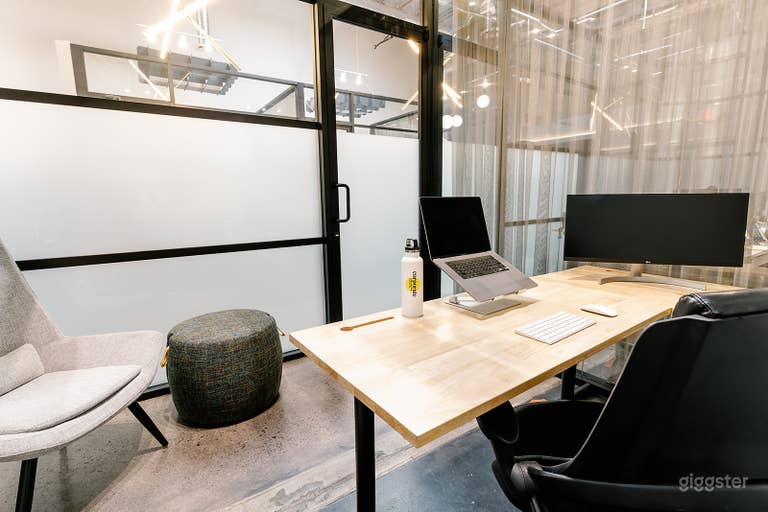
Remote work doesn’t always mean working in your pajamas at home. Many professionals—like consultants, lawyers, and entrepreneurs—prefer flexible office spaces to stay productive.
Thanks to global connectivity, jobs such as:
Programming
Graphic Design
Accounting
Sales & Marketing
…can all be performed from anywhere in the world. Remote workers are already proving they can deliver results independently, and businesses are catching on.
⚖️ The Challenges of a Remote-First Future
Remote work isn’t without its hurdles.
Not all jobs can go remote. Healthcare, logistics, retail, and manufacturing will always need in-person workers.
Social isolation is real. Humans are wired for connection, and remote employees may feel cut off from their teams.
Flexibility needs structure. As remote work grows, companies will need to standardize processes and set clear expectations to keep teams aligned.
Hybrid models—where employees split time between home, office, or shared workspaces—are already becoming a popular solution.
🚀 The Road Ahead
Remote work isn’t just a passing trend—it’s a long-term shift redefining how we live and work.
By 2027: Over 86.5 million Americans are expected to freelance.
For businesses: Remote teams mean lower overhead costs and access to a global talent pool.
For workers: Flexibility, better work-life balance, and freedom to design their careers.
The future of remote workers is about more than just location—it’s about freedom, adaptability, and opportunities we’ve never had before.
✨ Final Thought: Whether you’re a freelancer, entrepreneur, or part of a remote team, the way we work is changing—and those who adapt will thrive.